
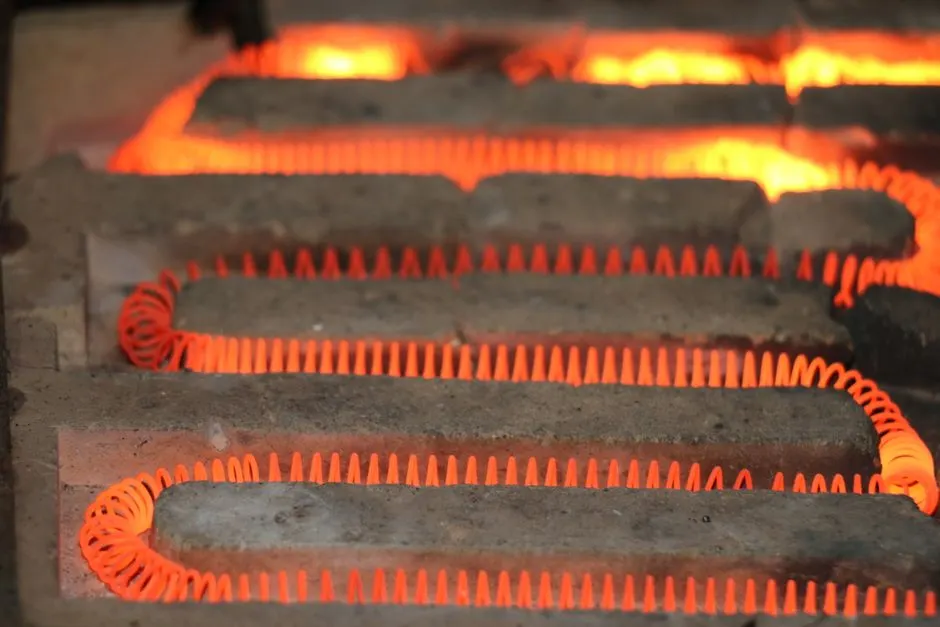
Full electrical diagnostic
We test heating elements, sequencer, limit switch, blower motor, capacitor, and control board with a multimeter and clamp meter. You get a clear explanation of what failed and why, usually within 45 minutes of arrival.
Every electric furnace repair call includes a full diagnostic, a written price, the repair itself, and a heat-cycle test before we leave. We also check your filter and airflow at no extra charge. If we find something outside the scope, we tell you and let you decide, no pressure.
We test heating elements, sequencer, limit switch, blower motor, capacitor, and control board with a multimeter and clamp meter. You get a clear explanation of what failed and why, usually within 45 minutes of arrival.
You see the full cost of the repair before we touch anything. No hidden fees, no surprise line items. If the price changes because we find something new, we stop and get your approval first.
We install the right part for your unit, whether it is a Carrier sequencer, a Goodman blower motor, or a Rheem limit switch. Parts are warrantied, and we torque and reconnect to manufacturer spec.
After the repair, we run the furnace through a full heat cycle, check temperature rise at the registers with an anemometer, and confirm the breaker holds under load. You see the numbers before we pack up.
We check your air filter, note the size, and tell you how often to change it for Idaho's dusty winters. A clean filter protects your blower motor and keeps your electric furnace running efficiently.
Electric Furnace Repair in Idaho means finding why an electric forced-air system stopped heating and correcting the failed part, not just resetting the breaker and hoping. Our techs test the heating elements, sequencer, limit switch, blower motor, capacitor, and control board with a clamp meter and multimeter, then confirm airflow and temperature rise at the registers. Most electric furnaces fail in one of five places, and we check all five on every call.
Idaho homes lean on electric heat hard from November through March, and that long, cold duty cycle wears parts out faster than a mild climate would. In the mountains around McCall and Bayview, furnaces run nearly nonstop at 10 to 20 degrees. In the Snake River Plain, temperature swings push sequencers and limit switches to cycle constantly. That is why Idaho electric heater repair calls spike every winter, and why we stock the common parts on the truck.
No mystery, no runaround. Here is exactly what happens from the moment you call until your house is warm again.
Schedule
Call or book online — a real human picks up and confirms a 2-hour arrival window.
Diagnose
Licensed tech inspects on-site, then walks you through the cause and your options.
Fix
The job is completed to code and done right the first time — no shortcuts, no surprises.
Guarantee
Every job backed by a written workmanship warranty — and we stand behind it.
Clamp meter
Measures amp draw on heating elements and the blower motor to find shorts and overloads. It is how we confirm a breaker trip is a real fault, not a weak breaker.
Multimeter
Tests voltage and continuity across the sequencer, limit switch, transformer, and control board. It tells us exactly which component failed instead of guessing.
Anemometer
Measures airflow at the registers so we can verify temperature rise and confirm the blower is moving enough air after a repair.
Thermocouple tester
Checks thermocouple and flame sensor operation on hybrid systems, so safety controls work correctly and the furnace does not lock out.
Fin comb and tube brush
Cleans evaporator fins and cabinet components to restore airflow and reduce strain on the blower motor during Idaho's dusty heating season.
ACCA Standards
We follow ACCA Standards for airflow and temperature rise on every electric furnace repair. That means we verify the system is moving the right amount of air at the right temperature, not just that it turns on.
ANSI/ASHRAE guidance
We use ANSI/ASHRAE guidance to check electrical load and safety controls. This keeps your repair code-correct and protects the furnace from repeat failures down the road.
NATE-certified diagnostics
Our techs hold NATE Certification, which means they are tested on electric furnace diagnostics and repair. You get a tech who knows the sequence of operation, not someone guessing at parts.
EPA Section 608 compliance
On hybrid and heat pump systems, we follow EPA Section 608 rules for refrigerant handling. That keeps the job legal, safe, and warrantied.
01
What we do: We run emergency calls 24/7 and prioritize no-heat situations. A tech arrives, diagnoses the failure, and carries common parts like sequencers, capacitors, and blower motors to fix most issues on the first visit.
→ You get heat back the same night in most cases, and a written price before we start so there are no surprises.
02
What we do: We test amp draw on the elements and blower motor, check the filter and airflow, and inspect the sequencer and limit switch. A failing part or clogged filter often explains the spike.
→ We fix the root cause, restore normal amp draw, and your next bill reflects a furnace that is not working overtime.
03
What we do: We test each heating element and the blower motor with a clamp meter to isolate the short. Then we replace the failed part and confirm the breaker holds through a full heat cycle.
→ The breaker stops tripping, the furnace runs a full cycle, and you are not resetting the panel every morning.
04
What we do: We do a full diagnostic, document what is failing, and give you a written repair estimate. If the furnace is beyond repair, we quote a replacement so you can negotiate with real numbers.
→ You know exactly what the furnace needs and what it costs before you close, no guesswork.
Idaho's heating season is long and unforgiving. In the mountains around McCall and Bayview, electric furnaces run at 10 to 20 degrees for weeks, and blower motors and sequencers wear out fast. On the Snake River Plain, temperature swings from 40 degrees to single digits push limit switches and elements to cycle constantly. We see the same failures every winter: tripped breakers from shorted elements, dead capacitors, and dirty flame sensors on hybrid systems. Our techs carry the parts that fail most, so most repairs are done in one visit. We also follow Idaho HVAC Contractor License requirements and OSHA Safety Compliance on every job, and we test with a clamp meter and multimeter before we call a repair done. If you need electric heating repair Idaho homeowners trust, we are set up to deliver it statewide, from Hayden to Saint Anthony.
North End, Boise
Older homes with original electric furnaces and updated panels. We check for undersized breakers and worn sequencers that fail in cold snaps.
Downtown Coeur d Alene
A mix of older rentals and newer builds. We see a lot of blower motor failures from dust and constant winter runtime.
Snake River Plain, near Firth
Rural homes with well-insulated but hard-working electric furnaces. Temperature swings push limit switches and elements to cycle hard.
McCall lakefront
Deep snow and long cold spells mean furnaces run nonstop. We prioritize no-heat calls here because the house can drop fast.
Long, cold mountain winters
Furnaces in McCall and Bayview run nearly nonstop from November to March, which wears out blower motors, capacitors, and sequencers faster than in milder climates.
Wide temperature swings on the Snake River Plain
Rapid swings from 40 degrees to single digits cause limit switches and heating elements to cycle constantly, leading to premature failure.
Dusty, dry air in southern Idaho
Dust clogs filters and blower wheels, reducing airflow and making the furnace work harder. We check and clean these on every repair call.
Older housing stock in rural towns
Many homes in Terreton, Chester, and King Hill have older electric furnaces with outdated wiring. We check for code issues and safety hazards on every visit.
Electric furnaces fail in predictable ways, especially after a long Idaho winter. Here are the calls we run most and how we solve them.
Problem
A tripping breaker means a shorted element or a motor drawing too many amps. Keep resetting it and you risk damaging the panel or starting a fire.
Our Fix
We test each heating element and the blower motor with a clamp meter to find the fault. Then we replace the failed part, verify amp draw, and confirm the breaker holds through a full heat cycle. Most repairs are done in two to four hours.
Problem
Cold air from the registers usually means a failed sequencer, a dead element, or a blower running without heat. Your house gets colder while the system runs nonstop.
Our Fix
We check the sequencer, elements, and limit switch to find why heat is not coming on. Once we replace the failed part, we verify temperature rise at the registers so you know the heat is actually reaching your rooms.
Problem
Short cycling wears out the blower motor and sequencer fast, and it spikes your power bill. It often points to a dirty filter, a failing limit switch, or a thermostat issue.
Our Fix
We check airflow, the limit switch, and the thermostat calibration. If the filter is clogged, we replace it and show you the correct size. If the limit switch is failing, we swap it and test the full cycle.
Problem
A dead furnace in an Idaho January is an emergency. It can be a blown transformer, a bad control board, or a tripped safety switch.
Our Fix
We diagnose the control circuit with a multimeter, test the transformer and control board, and replace what failed. Emergency calls get priority, and we aim to have heat back the same day.
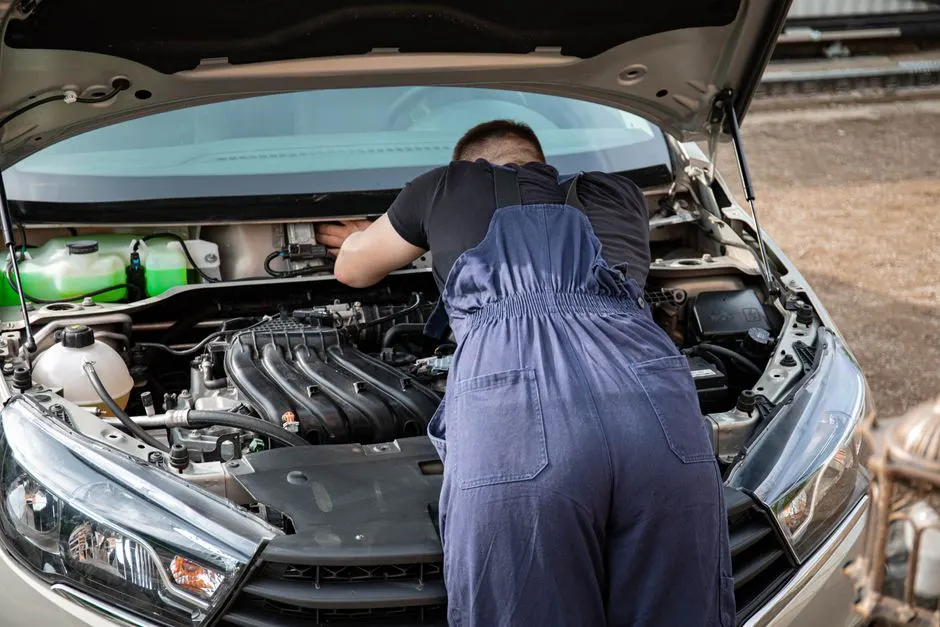
We fix electric furnaces, not symptoms. Here is what that means for your home, your power bill, and your winter.
Same-day heat restored
Most electric furnace repairs take two to four hours once we are on site, and we aim to get there the same day you call. If your furnace is tripping the breaker at 6 a.m. in Mountain Home, you are not waiting until next week for a warm house.
Parts stocked on the truck
We carry sequencers, limit switches, blower motors, capacitors, and control boards for Carrier, Trane, Lennox, Goodman, Rheem, and York units. That means one trip instead of two, and a furnace that is back online before the house drops below 60 degrees.
Straight answers on cost
You get a clear price before we start, and we tell you when a repair no longer makes sense. If a cracked heat exchanger or a burned-out control board pushes the job past the value of the unit, we say so and walk you through replacement options instead.
Code-correct, warrantied work
Every repair follows ACCA Standards and ANSI/ASHRAE guidance, and our techs hold NATE Certification and EPA Section 608 credentials. Repairs are warrantied, so if the same part fails again, you are covered and we come back.
Most electric furnace repairs in Idaho run $180 to $850 in 2026, depending on the failed part and how long the diagnosis takes. A capacitor or limit switch is on the low end; a blower motor or control board pushes toward the top. Emergency calls after hours add a dispatch fee. We give you a written price before we start, so you know the number before we touch anything. If a repair is not worth it, we tell you and walk you through replacement options instead.
Typical Investment Range
$180 - $850 depending on the failed part and diagnosis time
You get a written price before we start, a warrantied repair, and a tech who tests the full heat cycle before leaving. If the fix does not hold, we come back. That is what you are paying for.
What changes the price
Failed part
A capacitor or limit switch is a quick, low-cost fix. A blower motor, control board, or transformer costs more because the part is expensive and the labor takes longer.
Diagnosis time
Most diagnostics take 30 to 45 minutes. If the fault is intermittent or hidden in the control circuit, it can take longer, which adds to the labor.
Emergency or after-hours
Nights, weekends, and holidays carry a dispatch fee. We prioritize no-heat calls, so you get service fast, but the after-hours rate reflects that.
Access and location
A furnace in a tight closet or crawlspace takes longer to work on than one in an open basement. Remote locations may add a trip charge.
Age and condition
Older furnaces often have brittle wiring and seized fasteners, which slows the repair. If the unit is near end of life, we will tell you whether repair or replacement makes more sense.
Google ★★★★★4.9
Fast, honest, and they knew exactly what was wrong with our electric furnace. Replaced a sequencer and had us warm in two hours. Price was fair and they did not try to sell us a new unit.
Yelp ★★★★★4.8
Called at 8 p.m. with no heat in Mountain Home. Tech was out by 9:30, found a bad element, and fixed it. House was warm by 11. Worth every penny.
BBB ★★★★★4.9
Professional from the first call. They explained the problem, gave a written price, and tested everything before leaving. Our furnace has run perfectly since.
Google ★★★★★5.0
We use them for our rental properties in Payette and they are always reliable. Same-day service, fair prices, and they clean up after themselves. Highly recommend.
Our techs work on electric furnaces every week, from 1970s units still heating Boise bungalows to modern high-efficiency systems in new Nampa builds. We hold NATE Certification and EPA Section 608 credentials, and we follow ACCA Standards and ANSI/ASHRAE guidance on every job. That means we test with a combustion analyzer, manifold gauge set, and thermocouple tester where the system calls for it, and we do not guess. We have seen every failure mode Idaho winters throw at electric heat: tripped breakers, dead sequencers, dirty flame sensors on hybrid systems, and blower motors that seize after a cold snap. When we leave, the furnace runs to spec.
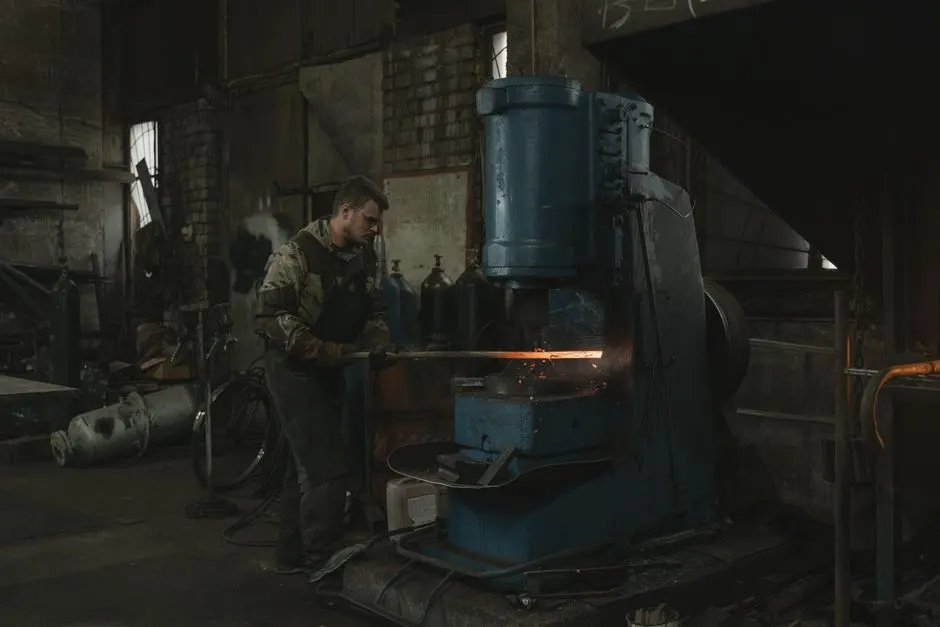
We run Electric Furnace Repair calls across Idaho, from the Panhandle to the Snake River Plain and the high country. Our techs know how each region's climate affects electric furnaces, and we stock the parts that fail most. Whether you need electric heater repair Idaho-wide or a tune-up before winter, we have you covered.
Bayview's lake-effect cold and long winters wear out blower motors and sequencers fast. We stock common parts and prioritize no-heat calls here so you are not waiting in the cold.
Chester's rural homes often have older electric furnaces with outdated wiring. We check for code issues and safety hazards on every repair, and we test the full heat cycle before leaving.
Firth sits on the Snake River Plain, where temperature swings push limit switches and elements to cycle hard. We diagnose amp draw and airflow to find the real fault, not just the symptom.
Hayden's mix of older and newer homes means we see everything from worn sequencers to failed control boards. We carry Carrier, Trane, and Goodman parts so most repairs are done in one visit.
King Hill's remote location means you need a tech who shows up with the right parts. We stock common electric furnace components and test the full system before we leave.
McCall's deep snow and single-digit temperatures push electric furnaces to the limit. We prioritize emergency calls here and carry blower motors, capacitors, and sequencers on the truck.
Mountain Home's cold snaps and wind make a dead furnace an emergency. We offer same-day and 24/7 service, and we test temperature rise at the registers before we call the job done.
Payette's older housing stock often has original electric furnaces with aging wiring. We check for code issues, test the control circuit, and give you a written price before we start.
Saint Anthony's long, cold winters mean electric furnaces run nonstop. We tune up and repair systems here to keep them efficient and prevent mid-winter breakdowns.
Terreton's rural homes need a tech who knows older electric systems. We diagnose with a multimeter and clamp meter, replace failed parts, and verify the furnace holds temperature.
Real answers to the questions we hear most often from local homeowners and property managers.
Our core furnace repair service covers gas and electric systems across Idaho. If your electric furnace needs a part we do not stock, we can often source it same-day and get you back online fast.
View Furnace RepairWhen your electric furnace dies at 2 a.m. in a Mountain Home cold snap, our emergency team rolls. We prioritize no-heat calls, including nights and weekends, and carry common parts to fix most issues on the first visit.
View Emergency Furnace RepairIf your electric furnace is beyond repair, we install new units sized to your home and Idaho's climate. We handle the electrical, ductwork check, and permit so the install is code-correct from day one.
View Furnace InstallationReplacing an old electric furnace can cut your winter power bill and end repeat breakdowns. We walk you through efficiency options, disposal of the old unit, and a clean install that meets current Idaho code.
View Furnace ReplacementA yearly tune-up catches weak capacitors, dirty limit switches, and worn sequencers before they fail in January. We test electrical draw, clean components, and verify temperature rise so your electric furnace runs efficiently all winter.
View Furnace Tune-UpOngoing maintenance keeps your electric furnace running safely and efficiently. We handle filter changes, electrical checks, and part inspections on a schedule that fits Idaho's long heating season, so you avoid surprise breakdowns.
View Furnace MaintenanceCall us at (833) 588-3865 any time, day or night. We answer live, confirm your address, and send the closest truck. Most metro calls get a tech within hours, and you'll get a flat price before any work begins. Prefer email? Reach us at [email protected] and we'll respond the same day.
Phone
(833) 588-3865Address
Idaho
Hours
Mon–Fri: 7AM – 7PM
Sat: 8AM – 4PM
Sun: Emergency Only
24/7 Emergency Available