
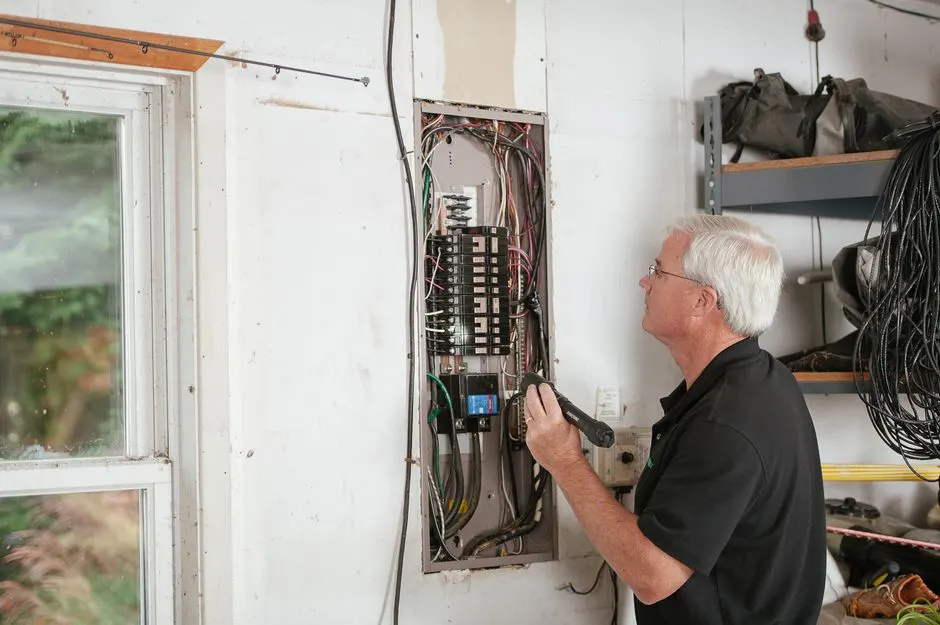
Removal and haul-away
We disconnect the old unit, cap the gas line safely, and haul the furnace and all packaging out of your house. No dumpster in your driveway, no scrap metal left in the garage for you to deal with.
Every installation we do covers the full scope from removal to startup. Here is what is in the price and what we handle for you, so there are no add-on surprises when the invoice comes.
We disconnect the old unit, cap the gas line safely, and haul the furnace and all packaging out of your house. No dumpster in your driveway, no scrap metal left in the garage for you to deal with.
An ACCA Manual J calculation determines the correct BTU output for your square footage, insulation, windows, and climate zone. This is the step that prevents short cycling and cold rooms down the road.
We run or resize the gas line, install the correct flue or PVC venting for your unit, and wire the electrical supply and thermostat. Everything is pressure-tested and inspected before startup.
We pull the mechanical and gas permits with your city or county, schedule the inspection, and meet the inspector on site. You do not have to make a single phone call to the building department.
We set gas pressure with a combustion analyzer, verify temperature rise is in spec, clock the meter, and check static pressure. Then we walk you through the thermostat, filter size, and warranty registration.
Furnace Installation in Idaho is the full removal of your old heating unit and the code-correct installation of a new one, including the gas connection, flue or venting, electrical supply, thermostat wiring, and a combustion test at startup. It is not a swap-and-go job. We measure static pressure, verify the heat exchanger on the old unit before disposal, and confirm the new furnace moves the right cubic feet per minute through your existing ductwork.
Idaho homes get tested hard. Design temperatures swing from single digits in Island Park to the teens across the Treasure Valley, and a furnace that was oversized for a mild climate will short cycle and burn out early here. If you are weighing furnace replacement and installation in Idaho, the deciding factors are usually age, repair history, and whether your current unit still matches your ductwork. A new furnace install Idaho homeowners can rely on starts with a real load calculation, not a guess.
Five steps, no mystery. Here is exactly what happens from the first phone call to the day your new furnace fires up.
Schedule
Call or book online — a real human picks up and confirms a 2-hour arrival window.
Diagnose
Licensed tech inspects on-site, then walks you through the cause and your options.
Fix
The job is completed to code and done right the first time — no shortcuts, no surprises.
Guarantee
Every job backed by a written workmanship warranty — and we stand behind it.
Combustion analyzer
Measures oxygen, carbon monoxide, and flue temperature at startup so we can set gas pressure and confirm the furnace is burning clean and safe.
Manifold gauge set
Reads inlet and manifold gas pressure on the valve so we can verify the unit is getting the pressure the manufacturer specifies, not just what the meter happens to deliver.
Anemometer
Measures airflow at the registers so we can set blower speed and confirm the load calculation matches what the ductwork actually delivers.
Clamp meter and multimeter
Checks amp draw on the blower motor and inducer, verifies control board voltage, and confirms the electrical supply is sized for the new unit.
Vacuum pump and fin comb
Used when we pull a system down for service and when we straighten bent condenser or evaporator fins that restrict airflow across the coil.
Thermocouple tester
Confirms the thermocouple or flame sensor is reading correctly before we sign off on startup, which prevents nuisance lockouts in the first month.
ACCA Manual J load calculation
We measure square footage, insulation values, window area, and orientation, then calculate the actual heating load for your house. This is how we size the furnace, and it is the single biggest factor in whether the new unit short cycles or runs smooth.
ANSI/ASHRAE Standards for airflow
We verify static pressure and temperature rise against ASHRAE guidance so the furnace moves the right cubic feet per minute through your ductwork. A furnace that is sized right but starved for airflow will still fail early.
EPA Section 608 combustion safety
Every startup includes a combustion test and a flue spillage check. We confirm carbon monoxide levels are within safe limits and that the venting is drafting correctly before we call the job done.
OSHA Safety Compliance on gas and electrical
Gas lines are pressure-tested, electrical connections are torqued to spec, and the work area is made safe before we start. We treat every install like the inspector is watching, because on most jobs they are.
01
What we do: We run a load calculation, quote a 96% two-stage unit sized for the house, and install within the week. The old flue gets replaced with PVC venting and the gas line is pressure-tested.
→ Heat back on in under a week, gas bill drops 20 to 25 percent, and the new unit is covered by a 10-year heat exchanger warranty.
02
What we do: We coordinate with the gas utility, run the new gas line to code, install a natural gas furnace, and remove the old propane tank hookup and regulator.
→ One fuel source for the whole house, lower cost per BTU, and a system that passes inspection on the first visit.
03
What we do: We measure static pressure, find the duct restriction, and install a correctly sized furnace with a blower speed set to the actual duct system. We also seal the plenum and balance the registers.
→ Every room within 2 degrees of the thermostat setpoint, and the furnace no longer short cycles on cold nights.
04
What we do: We schedule a pre-winter install in October, pull the permit, and complete the swap in a single day. The old unit is hauled away and the new one is registered with the manufacturer.
→ No emergency call in January, no scramble for parts, and a furnace that is under warranty from day one.
Meridian and the Treasure Valley
Mostly 1990s to 2010s subdivisions with builder-grade 80% furnaces hitting end of life. Duct sizing is the common issue, so we measure static pressure before quoting.
Post Falls and the Panhandle
Colder design temperatures and a mix of new tight construction and older manufactured homes. Two-stage furnaces and sealed combustion venting are common upgrades here.
American Falls and the Snake River Plain
Windy, dry winters that stress flue venting and combustion air. We check for downdraft and spillage on every install in this corridor.
Idaho City and the Boise foothills
Higher elevation and longer heating seasons. Altitude derate on gas pressure is part of every startup here, not an afterthought.
Design temperatures from 5 degrees down to below zero
A furnace sized for a mild climate will run at 100 percent capacity all winter and fail early. We size to the actual local design temperature, not a regional average.
Rural propane and fuel conversion jobs
Many properties outside city limits run on propane. We handle the conversion, orifice change, and gas pressure setup so the new furnace runs correctly on the fuel you actually have.
Altitude above 4,000 feet in the high country
Gas pressure has to be derated for altitude or the furnace burns rich and soots up. We adjust the manifold pressure at startup and verify with a combustion analyzer.
Long heating seasons from October through April
Your furnace runs more hours per year than one in a milder state, so efficiency and build quality matter more. A 96% unit pays back faster here than almost anywhere.
Most homeowners call us after a repair that did not hold, or after a winter of watching the thermostat climb while the house stays cold. Here are the problems a proper installation puts behind you.
Problem
A failed igniter or a cracked heat exchanger leaves you with a running blower and no heat. In single-digit temperatures, pipes can freeze within hours.
Our Fix
We diagnose the root cause on the first visit. If the unit is past its service life, we quote a replacement with same-week install so you are not waiting on parts that may not exist anymore.
Problem
An oversized furnace heats the house fast, hits the limit switch, and shuts down. It runs 10 times an hour, wears out the heat exchanger, and never actually satisfies the thermostat.
Our Fix
We run a Manual J load calculation, size the new unit correctly, and set blower speed to match your ductwork. The new furnace runs longer cycles at lower output, which is easier on the equipment and the gas bill.
Problem
Two or three service calls a season at $300 to $600 each adds up fast, and you still have an aging unit that could quit on the coldest night of the year.
Our Fix
When repair costs pass a third of replacement cost, we show you the math. A new furnace with a 10-year parts warranty usually beats another season of patchwork on a 20-year-old unit.
Problem
A cracked heat exchanger can leak combustion gases into your supply air. It is the one furnace problem you cannot safely ignore or defer.
Our Fix
We inspect the heat exchanger on every service call with a combustion analyzer and visual scope. If it is cracked, we red-tag the unit and get you into a replacement immediately.
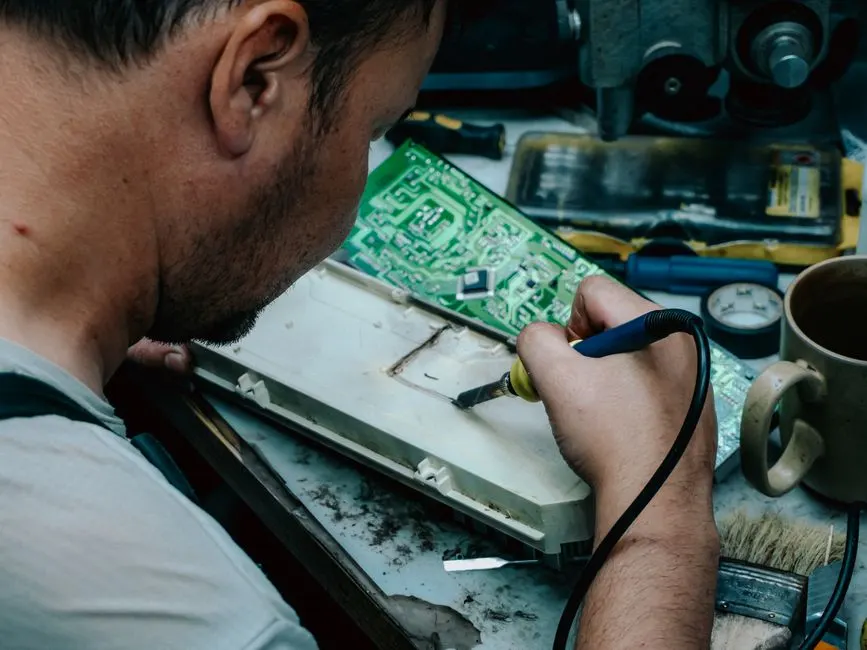
A furnace is the one appliance in your house that runs every day from October through April. Here is what a correctly installed replacement actually buys you.
Lower monthly gas bills
A modern 96% AFUE two-stage furnace burns roughly 15 to 25 percent less gas than the 80% unit it replaces. On a Treasure Valley home running $140 a month in January, that is real money back every winter for the next 15 to 20 years.
Heat that reaches every room
Most cold-room complaints trace back to duct sizing, not the furnace. We run a room-by-room load calculation and set blower speed with an anemometer so the far bedroom gets the same air as the hallway register. That is the difference between a warm house and a heated one.
Fewer 2 a.m. no-heat calls
New igniters, flame sensors, control boards, and inducer motors mean fewer mid-winter failures. We also register the manufacturer warranty for you, so parts coverage runs 10 years on the heat exchanger and 5 on most other components.
Code-correct venting and gas work
Idaho follows current mechanical and fuel gas codes on venting, combustion air, and gas line sizing. We pull the permit, pressure-test the gas line, and clock the meter at startup so the installation passes inspection the first time instead of costing you a re-inspection fee.
Typical 2026 pricing in Idaho runs $3,200 to $7,800 for a full replacement, installed. The low end is a basic 80% single-stage unit in an existing closet with no duct changes. The high end is a 96% modulating system with a new flue, new thermostat, and duct modifications. We quote the whole job in writing before we start, including the permit and haul-away, so the number you see is the number you pay. Financing is available on approved credit if you would rather spread the cost over the heating season.
Typical Investment Range
$3,200 - $7,800 installed, depending on size, efficiency, and ductwork
A new furnace lasts 15 to 20 years with annual service. Spread over that lifespan, a $5,000 install works out to about $25 a month, and the gas savings on a 96% unit often covers a chunk of that on its own.
What changes the price
Furnace size and BTU output
A 60,000 BTU furnace for a 1,200 square foot home costs less than a 100,000 BTU unit for a 2,800 square foot home. The load calculation tells us which one you actually need, and we do not sell you a bigger unit than the house requires.
Efficiency rating
An 80% single-stage furnace sits at the low end of the range. A 96% two-stage or modulating unit costs more upfront but burns 15 to 25 percent less gas, which pays back over a Treasure Valley winter in roughly 4 to 6 years.
Ductwork modifications
If the existing ducts are undersized or the plenum needs rework to match the new unit, that adds labor and material. We flag it in the estimate so it is not a surprise on install day.
Venting and flue changes
Replacing an 80% furnace with a 96% condensing unit usually means new PVC venting and a condensate drain line. Converting from a masonry chimney to direct vent also adds cost.
Fuel conversion
Switching from propane to natural gas or from electric to gas requires a new gas line, orifices, and sometimes a utility coordination fee. We quote the conversion as a line item, not a hidden add-on.
Permit and inspection fees
Fees vary by city and county across Idaho, usually $75 to $250. We include the permit cost in the written estimate and pull it in our name so you are not chasing paperwork.
Google ★★★★★4.9
Quoted us three options with real numbers, no pressure. Install crew showed up on time, laid drop cloths, and had the new Carrier running by 4 p.m. They walked me through the thermostat and registered the warranty before they left.
Google ★★★★★4.8
Our old furnace was short cycling and two other companies just wanted to sell us a bigger unit. These guys ran a load calculation, found the duct problem, and sized the new furnace correctly. House heats evenly now for the first time.
BBB ★★★★★4.9
Called on a Sunday with no heat and a newborn in the house. Tech was out within a few hours, confirmed the old unit was done, and had a new furnace in the next day. Fair price, clean work, and they hauled the old one away.
Yelp ★★★★★4.7
Straight answers on the phone about what a replacement would cost before they even came out. The estimate matched the final invoice to the dollar, including the permit. That is rare in this trade.
Our techs hold NATE Certification and EPA Section 608 credentials, and every lead installer works to ACCA Standards and ANSI/ASHRAE Standards on load calculation and airflow. We install Carrier, Trane, Lennox, Goodman, Rheem, York, Bryant, American Standard, Amana, and Coleman equipment, so we can match a furnace to your budget and ductwork instead of pushing one brand. Every installation is permitted under an Idaho HVAC Contractor License and finished with OSHA Safety Compliance on gas and electrical work. We carry a manifold gauge set, multimeter, combustion analyzer, thermocouple tester, vacuum pump, fin comb, anemometer, and clamp meter on every truck.
We install furnaces across Idaho, from the Snake River Plain to the Panhandle and the high country in between. Every city below gets the same load calculation, permit handling, and startup checklist. If you are looking for furnace replacement Idaho-wide, our route trucks cover the metro areas weekly and rural addresses on scheduled runs.
Windy Snake River Plain winters stress flue venting, so we check for downdraft and spillage on every install. Most homes here run 80% or 96% gas furnaces sized to the local design temperature.
Rural properties around Bruneau often run on propane, and we handle the conversion, orifice change, and gas pressure setup. Load calculations account for the colder high-desert nights.
Downey sits in a cold pocket with long heating seasons. We size furnaces to the actual local design temperature and check ductwork in older homes before quoting a replacement.
Homes along the Snake River corridor get temperature swings that test furnace controls. We install two-stage units here often to smooth out short cycling and keep gas bills steady.
At higher elevation, gas pressure has to be derated or the furnace burns rich. We adjust manifold pressure at startup and verify with a combustion analyzer on every Idaho City install.
Letha is rural enough that most jobs are on propane or well-insulated newer builds. We quote the fuel setup as a line item and schedule installs in route blocks to keep travel time down.
Meridian's 1990s and 2000s subdivisions are hitting the age where builder-grade furnaces fail. We replace them with correctly sized two-stage units and fix the duct sizing issues that caused cold rooms.
New Plymouth homes range from older farmhouses to newer builds, and ductwork varies widely. We measure static pressure before quoting so the new furnace matches what the ducts can actually deliver.
Colder Panhandle design temperatures and tight new construction make two-stage furnaces the common choice here. We also handle sealed combustion venting for homes without a traditional chimney.
Springfield's rural setting means many installs involve propane or a fuel conversion. We coordinate with the utility when needed and pull the mechanical and gas permits in our name.
Ucon sits in the Upper Snake River Plain with cold, dry winters. We install 96% condensing furnaces here often, with PVC venting and a condensate drain line set up to handle freezing nights.
Real answers to the questions we hear most often from local homeowners and property managers.
If your current furnace is still under 12 years old and the repair bill is under a third of replacement cost, we will tell you straight. We diagnose furnace not igniting, furnace blowing cold air, and furnace short cycling on the same visit.
View Furnace RepairNo heat at 2 a.m. in January is an emergency, and we treat it like one. Our 24/7 line dispatches a tech with a manifold gauge set, multimeter, and common igniters and flame sensors on the truck so most no-heat calls get fixed on the first visit.
View Emergency Furnace RepairFurnace replacement is the same job as installation with one extra step: removing and disposing of the old unit. We handle the haul-away, the permit, and the inspection, and we register the new warranty before we leave your driveway.
View Furnace ReplacementAn annual tune-up catches a dirty flame sensor, a failing capacitor, or a weak inducer motor before they strand you in a cold snap. We clean the burners, test the thermocouple, and check temperature rise in about an hour.
View Furnace Tune-UpMaintenance keeps your new furnace inside its warranty terms. Most manufacturers require annual service by a licensed tech, and we document each visit so you have a paper trail if a parts claim ever comes up.
View Furnace MaintenanceDust, pet hair, and pollen clog the blower wheel and secondary heat exchanger over time. We pull the blower, brush the wheel, vacuum the cabinet, and swap the air filter so airflow stays where the load calculation says it should be.
View Furnace CleaningCall us at (833) 588-3865 any time, day or night. We answer live, confirm your address, and send the closest truck. Most metro calls get a tech within hours, and you'll get a flat price before any work begins. Prefer email? Reach us at [email protected] and we'll respond the same day.
Phone
(833) 588-3865Address
Idaho
Hours
Mon–Fri: 7AM – 7PM
Sat: 8AM – 4PM
Sun: Emergency Only
24/7 Emergency Available